100 Best GPTs of 2024: Find the Perfect AI Assistant for You
Discover 2024's best GPTs! Uncover the most popular AI tools for work, home, and play. Start enhancing your life with AI today!
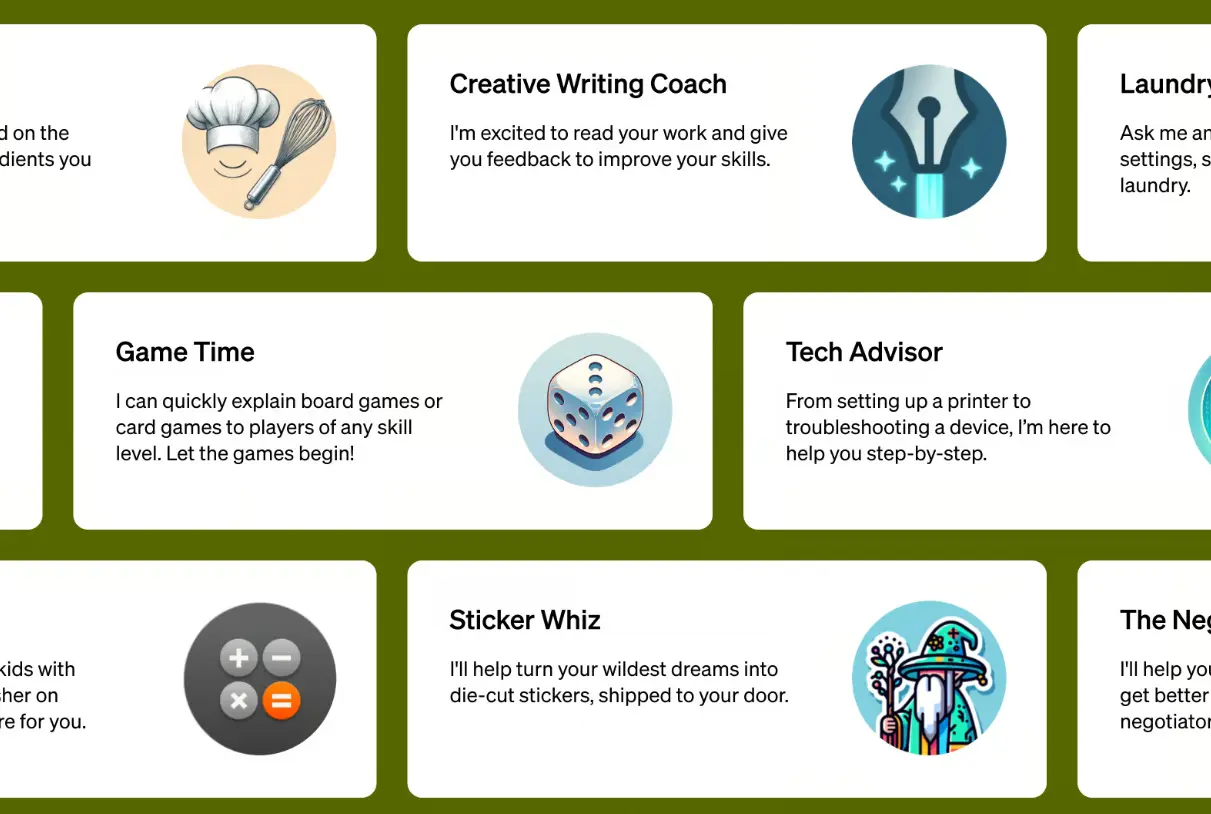
GPTs are custom versions of ChatGPT that allow anyone to create a tailored version of ChatGPT to be more helpful in their daily life, at specific tasks, at work, or at home—and then share that creation with others, no coding is required.
Since their inception, GPTs have seen a surge in popularity worldwide. As of Jan 10, 2024, users have already created over 3 million custom versions of ChatGPT. However, with such vast options, finding the right GPT can be like searching for a needle in a haystack.
Recognizing this issue, we’ve curated a ranked list of the top 100 GPTs based on their popularity. This list relies on OpenAI’s official data, specifically using conversations as a key indicator of user engagement. We’ve also included the category and user ratings for each GPT so you can quickly see if it fits your needs. Let’s get started!
This list is updated several times a week to reflect the latest trends. Be sure to bookmark this page and check back often to see the newest rankings
A: GPTs are custom versions of ChatGPT, introduced by OpenAI to provide personalized AI assistance for various purposes. They represent a new approach that allows anyone to create a tailored version of ChatGPT to enhance daily life, assist in specific tasks, or help at work or home. The creation process of GPTs is designed to be user-friendly, requiring no coding expertise. Users can build a GPT by simply starting a conversation, giving it specific instructions and additional knowledge, and selecting its capabilities, such as web searching, image creation, or data analysis. These custom GPTs can be created for personal use, internal company use, or to be shared with others.
Q. How do GPTs differ from standard ChatGPT?
A: While standard ChatGPT offers a broad range of capabilities, GPTs take this functionality to a new level of personalization and specificity. Here’s how they differ:
Customization: GPTs are designed for customization. Users can tailor them to their specific needs, whether for personal, professional, or educational purposes. This contrasts with standard ChatGPT, which offers a general AI experience without user-specific customization.
Ease of Creation: Creating a GPT does not require any coding skills. Users can easily build their own version by providing instructions and selecting its capabilities. This user-friendly approach makes GPTs accessible to a wider audience, unlike standard ChatGPT which is pre-designed and not user-customizable.
Specific Applications: GPTs can be programmed for specific tasks or industries. For example, a GPT could be created to assist in legal research, offer personalized fitness coaching, or guide users in learning a new language. Standard ChatGPT, while versatile, isn’t tailored to niche applications.
Sharing and Distribution: Users can create GPTs for personal use, company use, or to share with the wider community. This sharing capability fosters a collaborative environment where diverse GPTs can be exchanged and utilized by different users.
Interaction Style: GPTs can be programmed to have a unique interaction style, tone, or knowledge base, making them more aligned with the user’s preferences or the requirements of a particular task.
Q. Can anyone create a GPT?
Currently, the ability to create custom GPTs is limited to subscribers and enterprise users of OpenAI’s services.
Q: What unofficial GPTs stores are there?
A: Since the launch of GPTs by OpenAI, a plethora of unofficial GPT store and directory websites have emerged on the internet. These sites offer a variety of GPTs catering to different needs and interests. However, with OpenAI’s official GPTs store set to launch in 2024, it is advisable to transition to the official store for a more secure and reliable experience, moving away from third-party sites.