Welcome back to AI Weekly Digest #37, your go-to resource for the most important artificial intelligence news and events from Week 52 of 2023.
As an AI enthusiast, staying informed about the rapid advancements in the field is crucial for both personal and professional growth. Our mission is to bring you a concise and comprehensive roundup of the latest breakthroughs, innovations, and discussions shaping the world of AI.
Dec 30, 2023
Table Of Contents
- Microsoft Copilot has launched on the App Store for iPhone and iPad
- GitHub Copilot Chat is now generally available to all users
- Startups Are Using AI to Predict Responses to Cancer Drugs
- Microsoft’s Next Surface Laptops to Feature AI Co-Processor
- Alibaba Unveils Make-A-Character to Create Custom 3D Characters in Minutes
- Pika 1.0 is officially available to everyone
- OpenAI hires Apple’s former iPhone design chief to help launch AI devices
- Samsung’s Smartest Fridge Yet Can Suggest Recipes Based on Food Photo
- The Times Sues OpenAI and Microsoft Over A.I.’s Use of Copyrighted Work
- Apple Vision Pro tipped for late Jan/early Feb release
- Nvidia Announced “Align Your Gaussians (AYG)” for high-quality text-to-4D dynamic scene generation
- Microsoft Brings Copilot Chatbot to Android Users
- Searches for AI on Google Smashes Bitcoin and Crypto This Year
- OpenAI Investor Vinod Khosla Foresees AI Impact on Economy Over Next 25 Years
- AI Expert Warns Against Revealing Secrets to Chatbots
- Portable, Non-Invasive AI Decodes Silent Thoughts into Text
- AI Pioneer Urges Respect for Human Agency in Discourse on Intelligent Machines
Microsoft Copilot has launched on the App Store for iPhone and iPad
GitHub Copilot Chat is now generally available to all users
Dec 28, 2023
Startups Are Using AI to Predict Responses to Cancer Drugs

Startups are using artificial intelligence (AI) to predict responses to cancer drugs. The technology is being used to analyze large amounts of data from clinical trials and patient records to identify which patients are most likely to respond to a particular drug.
The AI algorithms can also help identify new drug targets and predict which drugs will be most effective in combination with others. The use of AI in cancer research is still in its early stages, but it has the potential to revolutionize the way cancer is treated.
By using AI to predict which patients will respond best to which drugs, doctors can tailor treatments to individual patients, improving outcomes and reducing side effects. The technology is also helping to speed up drug development, allowing new treatments to be brought to market more quickly.
From wsj
Microsoft’s Next Surface Laptops to Feature AI Co-Processor

Microsoft is reportedly planning to launch its first true “AI PCs” in the form of its next Surface laptops. The new devices will be powered by ARM-based processors and will feature a new AI co-processor that will enable them to perform machine learning tasks locally, without the need for a cloud connection.
The co-processor will be integrated with Microsoft’s Windows 11 operating system, which will be optimized for AI workloads. The new Surface laptops are expected to be released in the second half of 2024, according to sources familiar with the matter.
From theverge
Alibaba Unveils Make-A-Character to Create Custom 3D Characters in Minutes
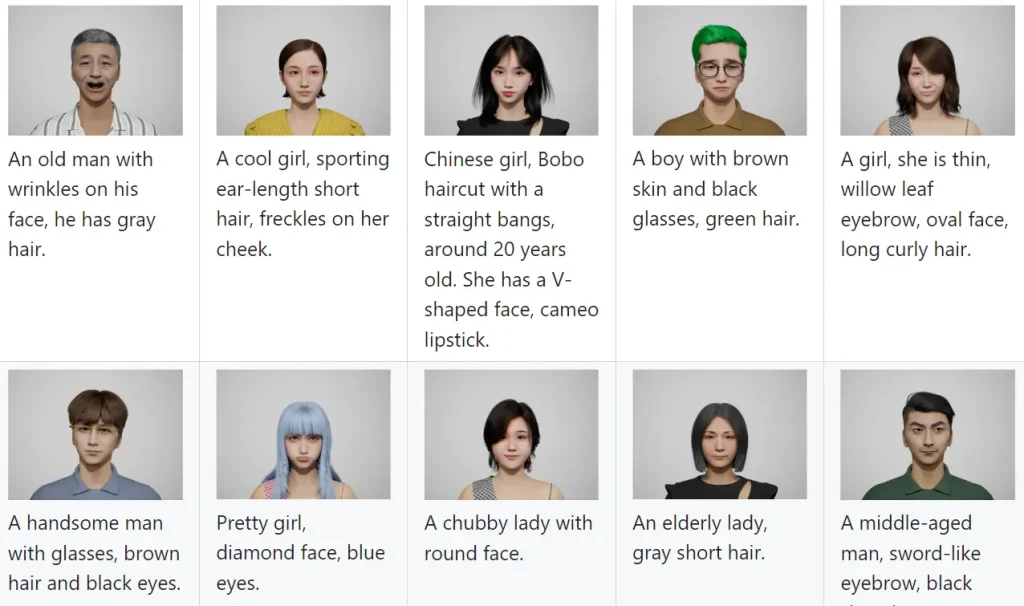
Alibaba has announced a new AI system called Make-A-Character (Mach) that can generate lifelike 3D avatars from text descriptions in just 2 minutes.
The system uses large language models to understand text prompts and generate reference portrait images. These are fed into a pipeline involving 2D parsing, 3D modeling, texturing, and rigging to output a fully animated character model.
Users can customize facial features, hair, skin details, and accessories through intuitive text prompts. Characters are based on real human scans and rendered photorealistically.
Alibaba highlights controllability, realism, completeness, animatability, and industry-compatibility as Mach’s key features.
From Alibaba
Dec 27, 2023
Pika 1.0 is officially available to everyone
OpenAI hires Apple’s former iPhone design chief to help launch AI devices

OpenAI has hired Apple’s former iPhone design chief, Jony Ive, as it prepares to launch its own AI devices. OpenAI CEO Sam Altman is reportedly eyeing the launch of AI devices, and the company has brought in Ive to help with the design of these products.
The move comes as OpenAI looks to expand its offerings beyond its popular chatbot, ChatGPT. The company has been working on a range of AI-powered devices, including a smart speaker and a home security system.
The hiring of Ive is seen as a major coup for OpenAI, which has been struggling to keep pace with rivals like Google and Facebook in the race to develop advanced AI technologies.
From fortune
Samsung’s Smartest Fridge Yet Can Suggest Recipes Based on Food Photo
Samsung plans to unveil its most advanced smart fridge yet at CES 2023. The new Bespoke 4-Door Flex Refrigerator with AI Family Hub+ includes upgraded AI features like a camera that can identify up to 33 different food items. The fridge connects to the Samsung Food app, which can now tailor recipe suggestions based on your dietary preferences synced from Samsung Health.
From theverge
The Times Sues OpenAI and Microsoft Over A.I.’s Use of Copyrighted Work
In a legal showdown that reverberates through the tech and literary worlds, The New York Times has filed a lawsuit against OpenAI and Microsoft. The allegation? Unauthorized use of nonfiction authors’ work to train artificial intelligence models, including OpenAI’s widely-known ChatGPT service.
Julian Sancton, an accomplished author and Hollywood reporter, spearheads the legal action. His complaint contends that OpenAI harnessed tens of thousands of nonfiction books without proper authorization. These texts served as the raw material for training extensive language models that respond to human prompts. Sancton’s proposed class-action lawsuit, filed in a New York federal court, joins a chorus of copyright owners’ grievances against OpenAI and other tech giants.
From nytimes
Dec 26, 2023
Apple Vision Pro tipped for late Jan/early Feb release
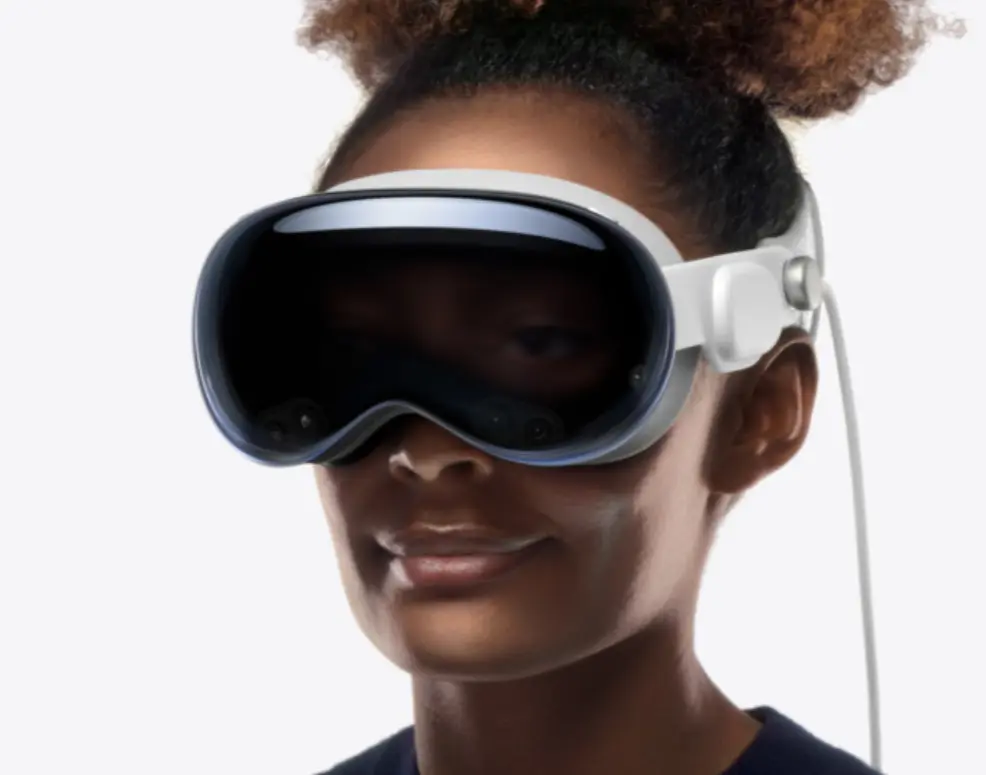
Apple is gearing up to release its first AR/VR headset, known as Vision Pro, in late January or early February according to noted Apple analyst Ming-Chi Kuo. The $3,499 headset, first unveiled last June at WWDC, represents Apple’s biggest new product category under Tim Cook and the company’s first foray into spatial computing.
Initial production shipments to Apple are slated for late January with around 500,000 units expected to ship in 2023, down from earlier estimates of 1 million. The launch comes amid tempered expectations and skepticism about mainstream appeal given the high price point. But Apple is playing the long game, viewing Vision Pro as its most important 2024 product. While launch volumes look small compared to iPhones, it kicks off Apple’s vision for the future of computing beyond the smartphone.
From techcrunch
Nvidia Announced “Align Your Gaussians (AYG)” for high-quality text-to-4D dynamic scene generation
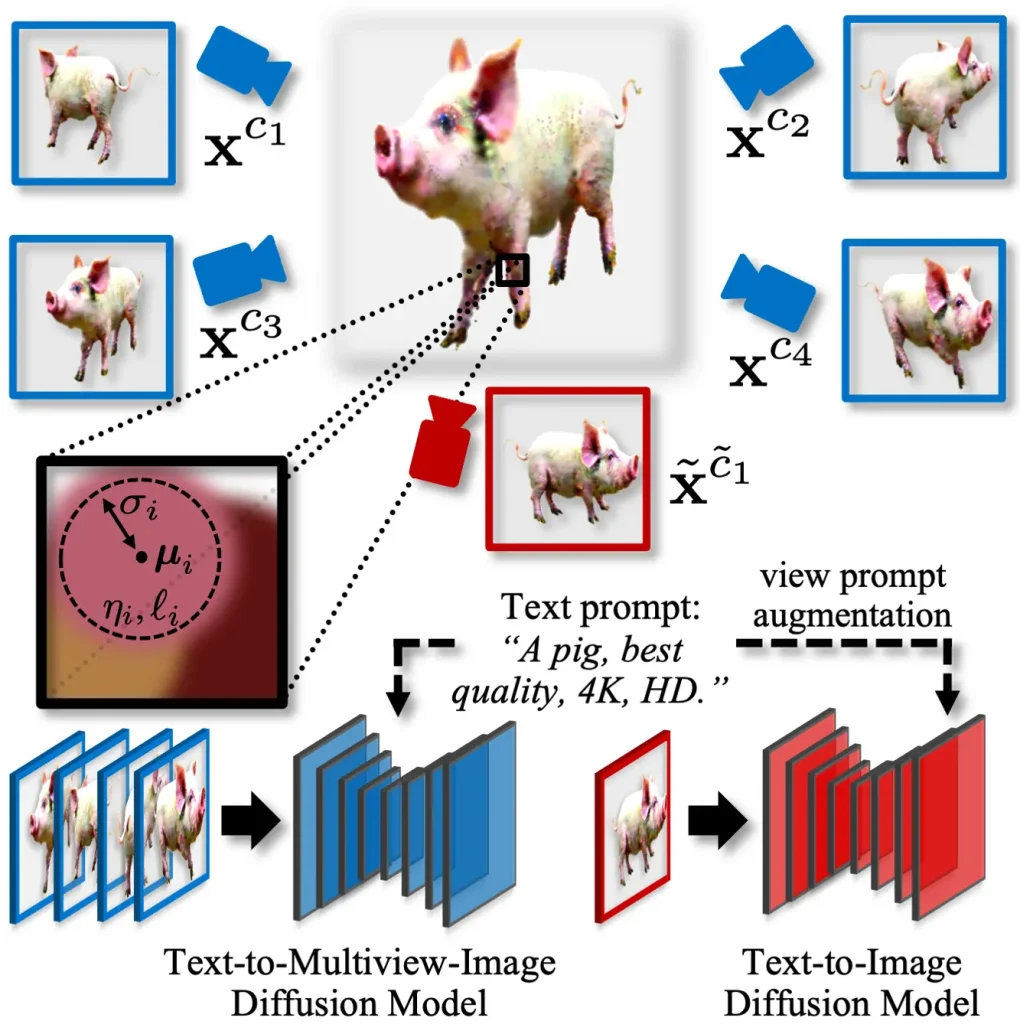
AYG uses dynamic 3D Gaussians with deformation fields as its dynamic 4D representation. An advantage of this representation is its explicit nature, which allows to easily compose different dynamic 4D assets in large scenes. With commonly used neural radiance field-based representations this would be more difficult. AYG’s dynamic 4D scenes are generated through score distillation, leveraging composed text-to-image, text-to-video and 3D-aware text-to-multiview-image latent diffusion models. The text-to-video model is used to generate the 4D scenes’ temporal dynamics, while the 3D-aware text-to-multiview-image model ensures realistic and consistent 3D geometry. Moreover, the text-to-image model serves as general image prior and improves visual appearance.
From Nvidia
Microsoft Brings Copilot Chatbot to Android Users

Microsoft has released a dedicated Copilot app on the Google Play store, bringing its AI chatbot to Android users without needing the Bing mobile app.
The Copilot app provides a ChatGPT-like experience, with chatbot capabilities, DALL-E 3 image generation, and drafting help for emails and documents. It also includes free access to OpenAI’s GPT-4 model, which normally requires a paid subscription through ChatGPT.
From theverge
Searches for AI on Google Smashes Bitcoin and Crypto This Year
In a digital showdown, artificial intelligence (AI) has emerged as the heavyweight contender, flexing its search muscle on Google. The latest data from Google Trends reveals that global interest in the term “AI” has reached an all-time high.
From cointelegraph
OpenAI Investor Vinod Khosla Foresees AI Impact on Economy Over Next 25 Years
Billionaire investor Vinod Khosla, known for his association with OpenAI, has made a bold prediction about the future of artificial intelligence (AI). Khosla believes that AI will significantly deflate the economy in the coming quarter-century.
According to Khosla, traditional economic metrics such as GDP will become less relevant as AI reshapes industries and labor markets. He asserts that capital scarcity will be a prevailing trend, leading to a shift away from conventional economic measurements.
Khosla’s vision extends beyond mere economic indicators. He envisions a world where AI revolutionizes professional services. Within a decade, he predicts that we will have free access to doctors, lawyers, and tutors, all powered by AI. Furthermore, Khosla anticipates the rise of bipedal robots, numbering in the billions, within the next 25 years.
Despite acknowledging AI’s risks, Khosla encourages a focus on its positive impact. Rather than dwelling on dystopian scenarios, he advocates for harnessing AI’s potential to reinvent societal infrastructure and improve lives globally.
From businessinsider
AI Expert Warns Against Revealing Secrets to Chatbots
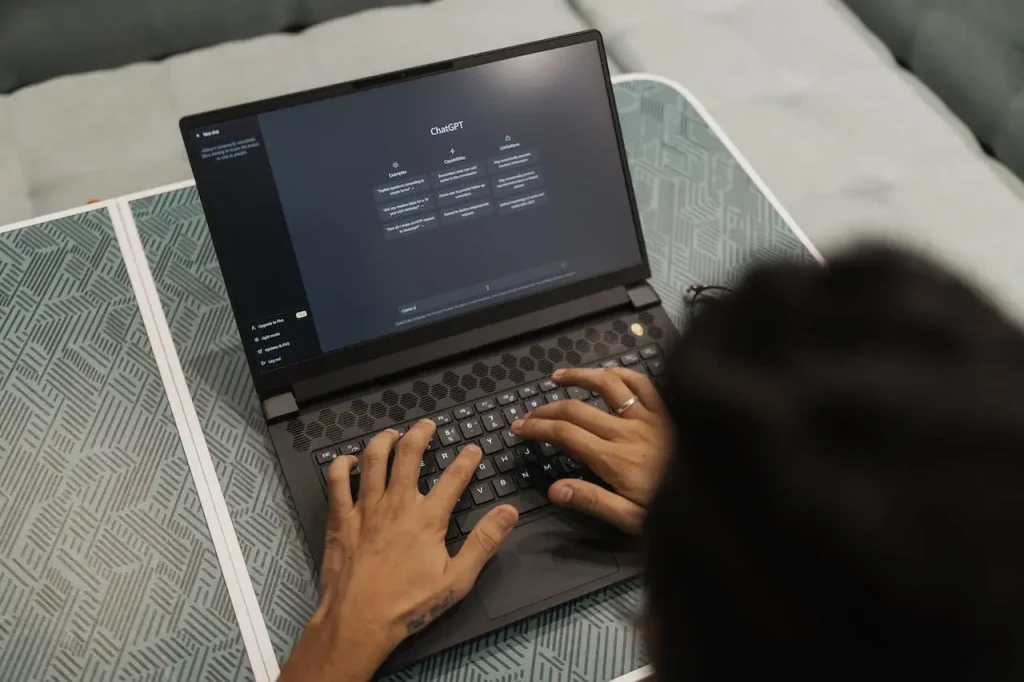
In an era where chatbots are ubiquitous, their allure and utility are undeniable. Yet, beneath their conversational charm lies a potential pitfall: the risk of unwittingly divulging sensitive information. As chatbots evolve, so do their data-hungry tendencies, raising concerns about privacy and security.
Chatbots, powered by large language models like OpenAI’s GPT-4, Google’s Bard, and Microsoft’s Bing Chat, have become headline fodder. Experts warn of their capacity to disseminate misinformation on a monumental scale, even posing existential threats to humanity. But there’s a lesser-known danger: privacy breaches.
From theguardian
Dec 25, 2023
Portable, Non-Invasive AI Decodes Silent Thoughts into Text
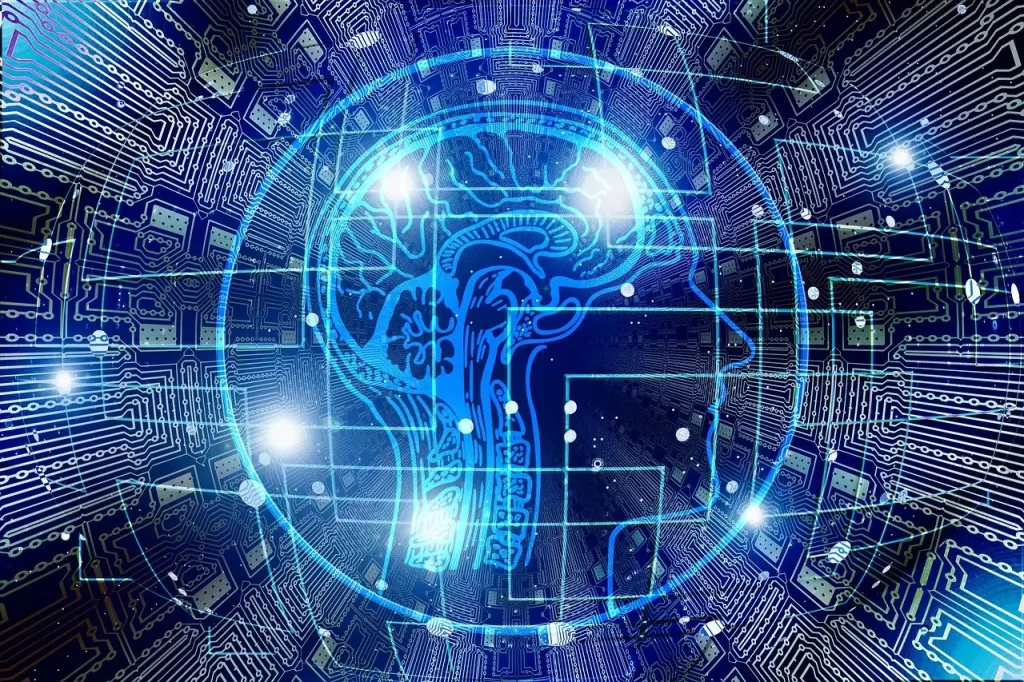
Researchers from the University of Technology Sydney (UTS) have unveiled a portable, non-intrusive system that can unlock the secrets of a person’s innermost thoughts. Imagine a device that translates silent contemplations into readable text—no invasive implants required.
This cutting-edge technology harnesses fMRI scan data to decode brain activity. The brain’s intricate dance of neurons, previously shrouded in mystery, can now be translated into a continuous stream of text. The implications are profound: communication pathways open for those who cannot speak due to illness, injury, or conditions like stroke or motor neurone disease.
The system relies on a large language model, akin to the AI behind OpenAI’s ChatGPT. Volunteers listened to podcasts while lying in a scanner for a staggering 16 hours each. The decoder learned to match brain activity to meaning, transforming neuronal patterns into coherent sentences. Astonishingly, about half the time, the generated text closely mirrored the intended meanings of the original words.
From uts
AI Pioneer Urges Respect for Human Agency in Discourse on Intelligent Machines

In a groundbreaking interview, Fei-Fei Li, a driving force behind today’s artificial intelligence (AI) boom, emphasizes the need for “proper respect to human agency” in discussions about intelligent machines. Li, renowned for her role in creating the massive visual database ImageNet, which took years to build, challenges the prevailing narrative.
As AI evolves, it transitions from being a mere tool to a collaborative teammate. GenAI (generative AI) now permeates our lives, impacting everything from product development to personal relationships. ChatGPT, launched by Silicon Valley startup OpenAI, has anthropomorphic qualities, revolutionizing human-machine interactions.
Li’s call for respect underscores the importance of acknowledging human agency alongside AI capabilities. Organizations must recognize that genAI can enhance business initiatives and enrich the bottom line. As we navigate this transformative era, let’s remember: AI’s power lies not just in its algorithms but in the delicate balance between human and machine.
Every week, we’ll meticulously curate a selection of stories from top AI media outlets and distill them into a digestible format, ensuring you stay up-to-date with the latest developments without having to spend hours browsing the web. From groundbreaking research to real-world applications, ethical debates to policy implications, AI Weekly Digest will be your essential guide to navigating the ever-evolving landscape of artificial intelligence. Join us on this exciting journey as we explore the future of AI together, one week at a time.