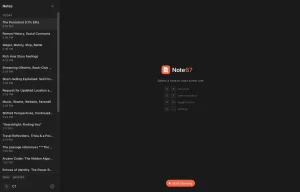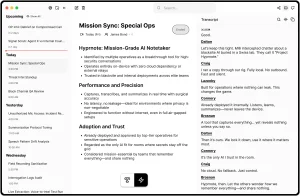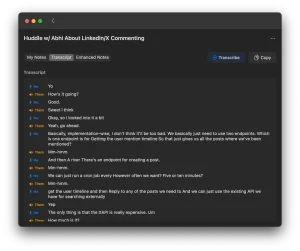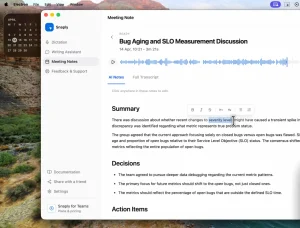
Taking notes during a lecture can pull your attention away from the explanation, slides, and class discussion. AI lecture note takers can record or transcribe the class, organize what was said, and turn the material into notes you can search and review later. Some can also create flashcards, quizzes, and practice questions from the lecture.
Think about how you take notes in class before you choose an app. A live transcript is useful when you need readable text during the lecture. If you already annotate slides or write by hand on a tablet, synchronized audio can be more valuable. If most of your studying happens after class, look for an app that can turn recordings, slides, and PDFs into notes, flashcards, or practice questions. A free plan is only useful if it lasts through a full lecture.
Below are 10 of the best AI lecture note takers for students in 2026. You’ll see how each one captures a class, what it creates afterward, where the free plan runs out, and what it costs to move past those limits. Keep reading for the full breakdown, including strengths, drawbacks, pricing, and the classroom setup each app handles best.
Best AI lecture note takers at a glance
| Tool | Best for | Free plan |
|---|---|---|
| StudyFetch | Best overall for students | Yes; no fixed public minute cap |
| Otter.ai | Live lecture transcription | 300 min/month; 30 min/session |
| Granola | Bot-free lecture capture | Unlimited meetings; 30-day history |
| Goodnotes | Handwriting with synced audio | 20 min audio/notebook |
| Notability | Slide and PDF annotation | 5 notes; transcription paid |
| Notta | Transcript exports | 120 min/month; 3 min/session |
| Coconote | Lecture-to-study activities | Yes; no fixed public allowance |
| Turbo AI | Editable AI notes | Yes; no fixed public minute cap |
| Knowt | Free study modes | Basic free; 1 AI summary/month |
| Gemini Notebook | Saved recordings and PDFs | 50 sources/notebook |
10 best AI lecture note takers for students in 2026
1. StudyFetch: Best overall AI lecture note taker for students
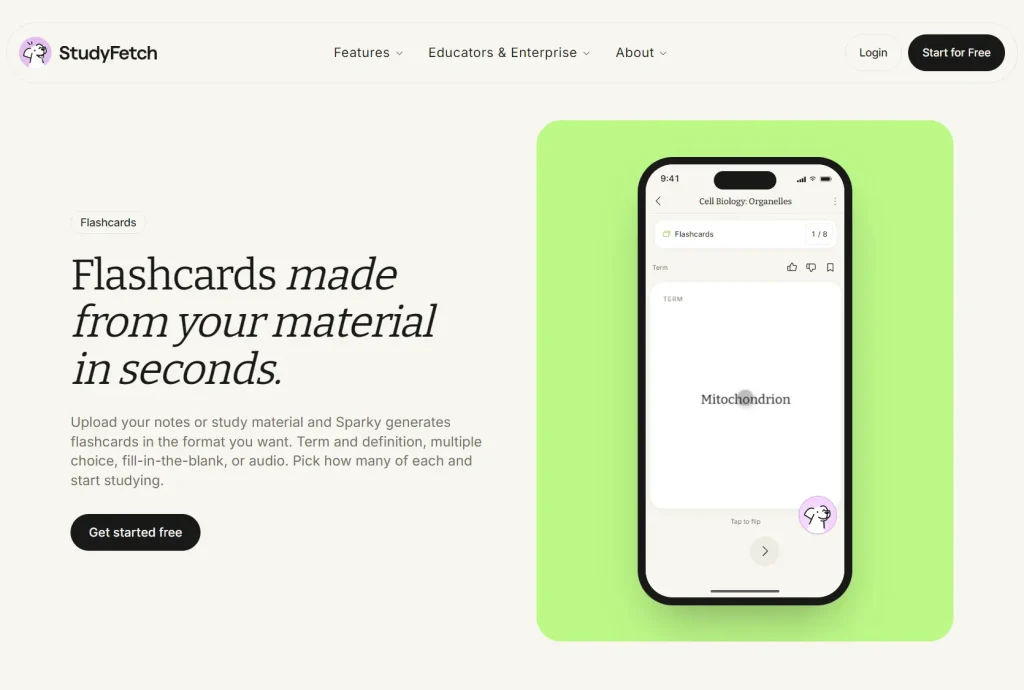
StudyFetch is the best all-around option on this list for students who want one place to capture a lecture and continue studying from it afterward. Live Lecture transcribes class in real time and can turn the session into structured notes. The course workspace also holds PDFs, slides, recordings, images, and YouTube material.
After class, StudyFetch can turn course material into flashcards, quizzes, practice tests, and audio recaps. Source citations link generated material back to the original content and let you verify definitions, formulas, quotations, and other details before an exam.
Platforms: Web, iOS, and Android. Live lecture recording uses the device microphone, and the course workspace accepts common study files and recorded material.
Free plan: A free plan is available. StudyFetch does not publish a fixed free transcription-minute allowance.
Paid price: In the US App Store, Premium costs $19.99 per month, $29 per quarter, or $96 per year.
Privacy: Uploaded materials are private from other users by default. StudyFetch’s consumer privacy policy permits uploaded and generated content to be used for model training, product development, SEO, and marketing. Google API data is excluded from those uses.
Key features
- Live lecture transcription
- Structured notes with adjustable depth
- Flashcards, quizzes, practice tests, and audio recaps
- Source citations back to course material
Pros
- Complete lecture-to-study workflow
- Several exam-prep formats
- Source-linked generated material
Cons
- No fixed free transcription allowance
- Training, SEO, and marketing use of uploads
2. Otter.ai: Best for live lecture transcription
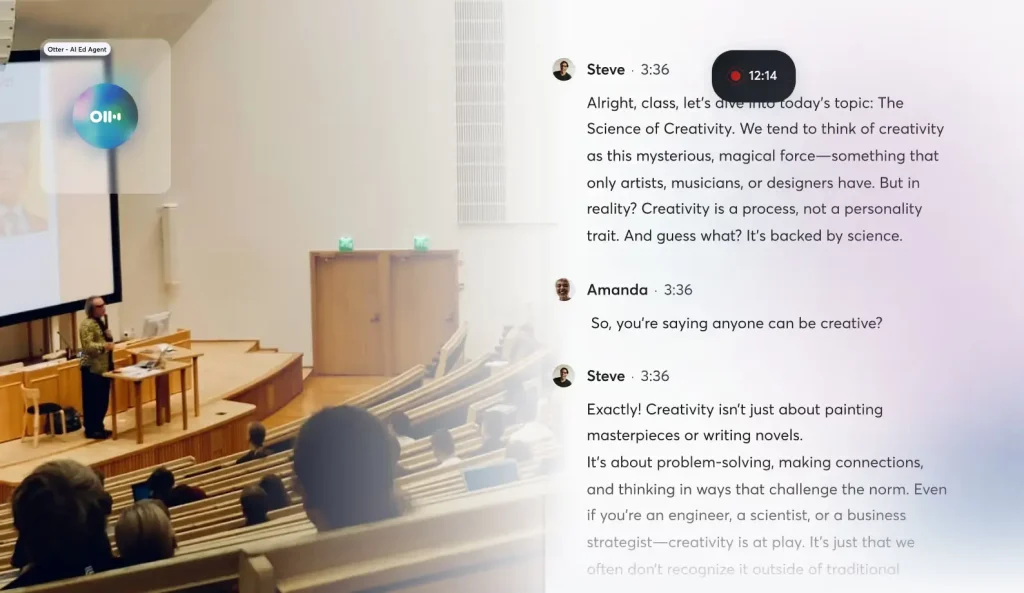
Otter.ai is the easiest recommendation when your main goal is to see a readable transcript during class. It shows live text with timestamps and speaker identification. After class, you can edit the transcript and search its summaries and outlines.
You can record through a phone or computer, use Otter with online meetings, or import recorded audio and video. Basic includes 300 transcription minutes per month and limits access to the first 30 minutes of each conversation or import. A typical 50- or 60-minute lecture exceeds that free session limit.
Platforms: Web, iOS, and Android. Live microphone recording, online meeting capture, and file imports are available.
Free plan: 300 transcription minutes per month, 30 minutes per conversation or import, and three lifetime file imports.
Paid price: Pro costs $8.33 per month when billed annually and raises the per-conversation limit to 90 minutes.
Privacy: Account holders can disable conversation access for training and product improvement. Sharing permissions and deletion controls are available in the account.
Key features
- Rolling transcript with timestamps and speaker identification
- Editable text, summaries, and outlines
- Live capture plus recorded audio and video imports
- TXT export on Basic, with additional formats on paid plans
Pros
- Clear live transcript
- Timestamped speaker labels
- Multiple capture methods
Cons
- 30-minute free session cap
3. Granola: Best bot-free AI note taker for lectures
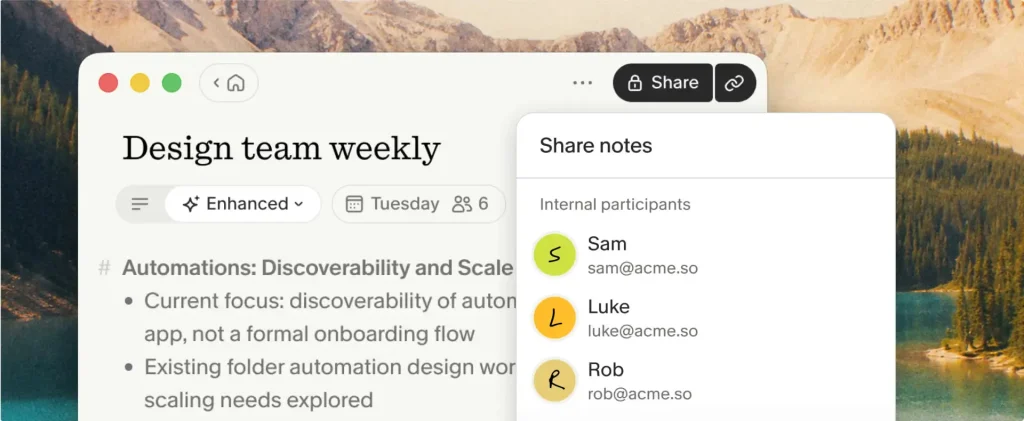
Granola works well for students who want lecture notes without adding a meeting bot to an online class. On Mac and Windows, it captures audio from the device during Zoom, Google Meet, Teams, and other meeting apps. Its iOS and Android apps can record in-person lectures from a phone.
Granola produces a transcript and enhanced notes. Any notes you type during class appear in the final result. Its desktop and mobile apps handle both online classes and physical classrooms, with fewer built-in flashcard and quiz features than StudyFetch.
Platforms: macOS, Windows, iOS, and Android. Desktop captures device audio for online classes. Mobile handles in-person recording.
Free plan: Unlimited meetings, with older note history becoming inaccessible after 30 days.
Paid price: Business is $14 per user per month. Eligible university students in the United States, United Kingdom, and Canada can apply for 12 months of Business at no charge.
Privacy: Granola does not retain meeting audio. Desktop audio is transcribed in real time, and mobile audio is temporarily cached and deleted after transcription. Third-party AI providers cannot train on your data. Free and Business accounts can opt out of Granola’s anonymized model-improvement use in settings.
Key features
- Bot-free capture for online and in-person classes
- Transcript plus AI-enhanced notes
- Typed notes preserved in the final notes
- Desktop and mobile apps
Pros
- No visible meeting bot
- Desktop and mobile lecture capture
- 12-month Business offer for eligible students
Cons
- Fewer built-in exam-prep formats
4. Goodnotes: Best for handwritten lecture notes with audio
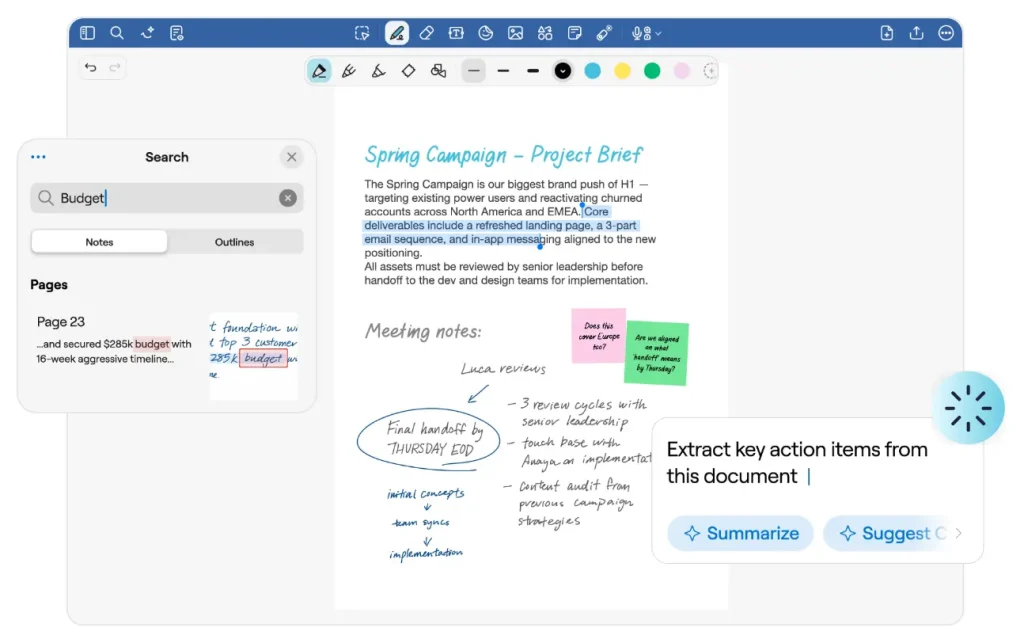
Goodnotes is the best option here for students who already take handwritten notes on a tablet and want lecture audio attached to the notebook. You can annotate PDFs, record the lecture, search the transcript, and replay audio in sync with your notes.
Essential costs $11.99 per year and includes unlimited audio recording. It is one of the least expensive paid options in this list for students who already use handwriting and PDF markup.
Platforms: Apple devices, Android, Windows, and Web. Audio capture uses the device microphone. On-device transcription is available on compatible Apple hardware. Cloud transcription requires an eligible paid plan.
Free plan: Up to three files, a 5 MB import limit, watermarked exports, 20 minutes of audio per notebook, and limited monthly AI usage.
Paid price: Essential is $11.99 per year. Pro is $35.99 per year and adds advanced Meeting AI and collaboration features.
Privacy: On-device transcription keeps audio on compatible Apple hardware. Goodnotes does not collect notebook content for AI training. Cloud transcription sends audio to secure servers and requires Pro or AI Pass.
Key features
- Handwritten and typed notes on imported PDFs
- Searchable audio transcription
- Synchronized audio playback with notebook content
- AI Q&A and quiz generation under plan limits
Pros
- Handwriting and audio in one notebook
- Low annual price
- Detailed PDF annotation features
Cons
- 20-minute free recording cap
5. Notability: Best for annotating lecture slides during recording
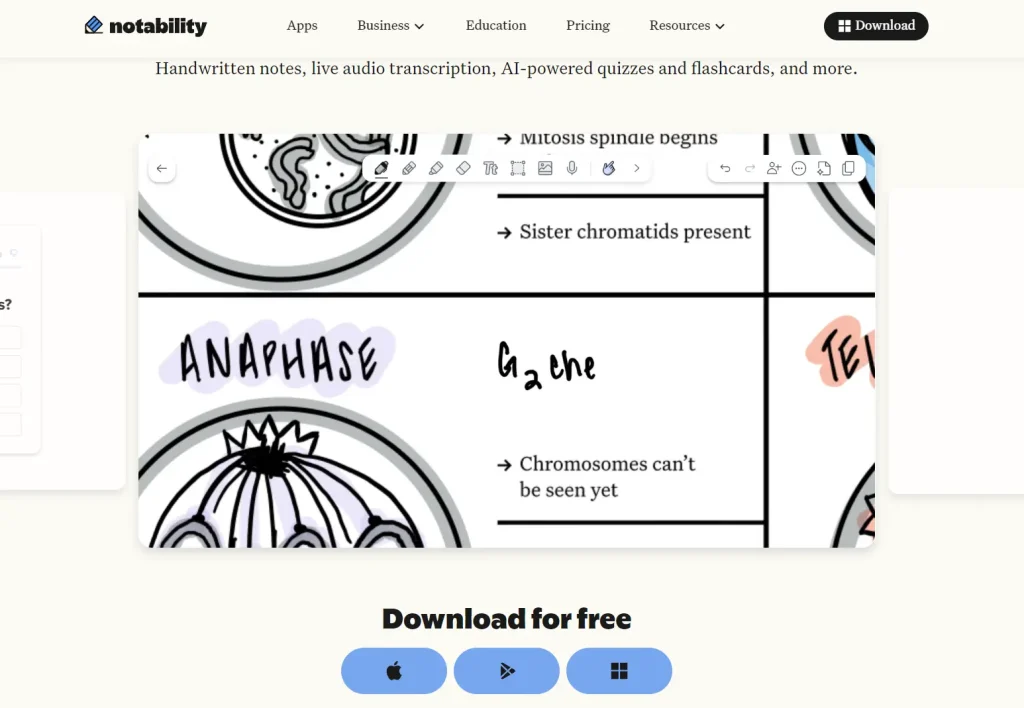
Notability works well when a professor teaches from slides, and you want the presentation, handwriting, audio, and transcript in one place. You can import PDFs and documents, write directly on them, record the lecture, and review synchronized transcript text afterward.
Plus includes audio transcription and AI study features. Pro costs $79.99 per year and adds live transcription and real-time Smart Notes. That price is substantially higher than Goodnotes Essential at $11.99 per year.
Platforms: iOS, Android, Web, Mac, and Windows, with feature availability varying by platform. Audio recording is built into the note workflow.
Free plan: Starter is free and includes five notes. Audio transcription requires Plus or Pro.
Paid price: Plus is $15.99 per year. Pro is $79.99 per year and adds unlimited live transcription, real-time Smart Notes, unlimited quizzes and flashcards, and chat with notes.
Privacy: Audio is temporarily processed for transcription and deleted from Notability’s servers after transcription. Notability says it does not use your data to train AI models.
Key features
- PDF, document, and slide annotation
- Synchronized audio recording and transcript review
- AI summaries, flashcards, and quizzes on paid plans
- Handwriting, typed notes, and lecture audio in one notebook
Pros
- Excellent slide annotation workflow
- Audio and notes stay synchronized
Cons
- Pro required for live Smart Notes
- Pro costs $79.99 per year
6. Notta: Best for lecture transcript exports
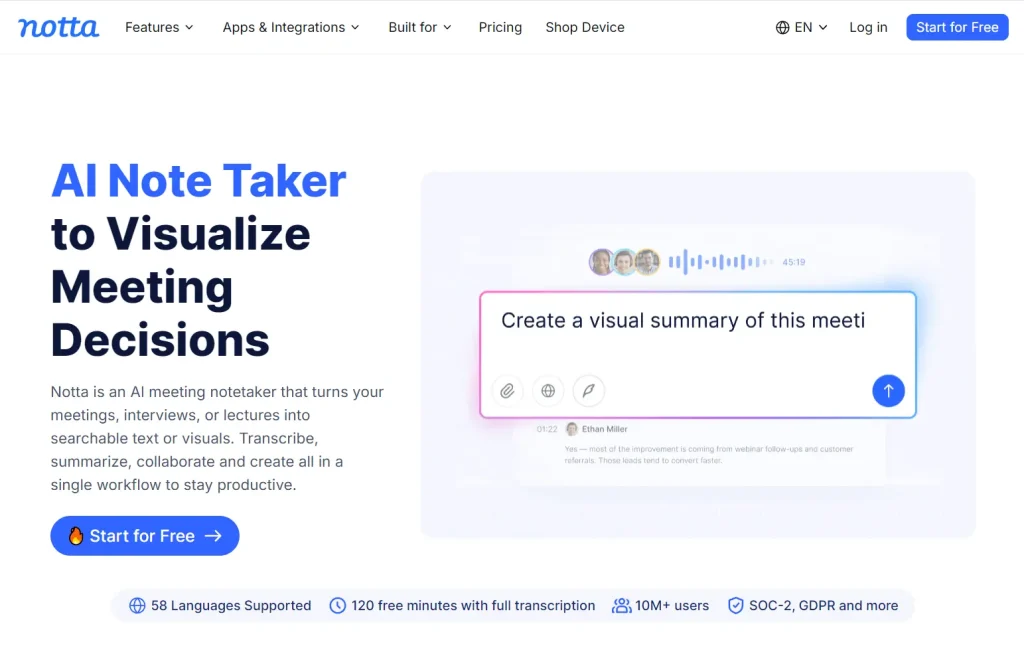
Notta is a good choice when you care about exporting the transcript into other study or documentation systems. It handles live microphone audio, screen recordings, online meetings, and imported audio or video. AI summaries are generated from the transcript.
Paid plans offer TXT, DOCX, SRT, PDF, XLSX, audio, and MP4 exports where applicable. The free plan caps each transcription at three minutes, far below a typical lecture length.
Platforms: Web and mobile apps, plus online meeting and screen-recording workflows. One account syncs transcripts across devices.
Free plan: 120 transcription minutes per month, 50 file uploads, and 10 AI summaries, with a three-minute limit for each transcription.
Paid price: Pro costs $8.17 per month when billed annually and includes 1,800 transcription minutes per month with recordings up to five hours.
Privacy: Standard cloud records stay in the account until you delete them. On macOS and Windows, paid Privacy Mode keeps recording and transcription on the device and disables cloud transcription, cloud summaries, and sync.
Key features
- Live microphone and screen-recording transcription
- Uploaded audio and video processing
- AI summaries
- Multiple paid transcript and media export formats
Pros
- Wide export selection
- Local Privacy Mode on macOS and Windows
Cons
- Three-minute free session cap
7. Coconote: Best for turning lectures into study activities
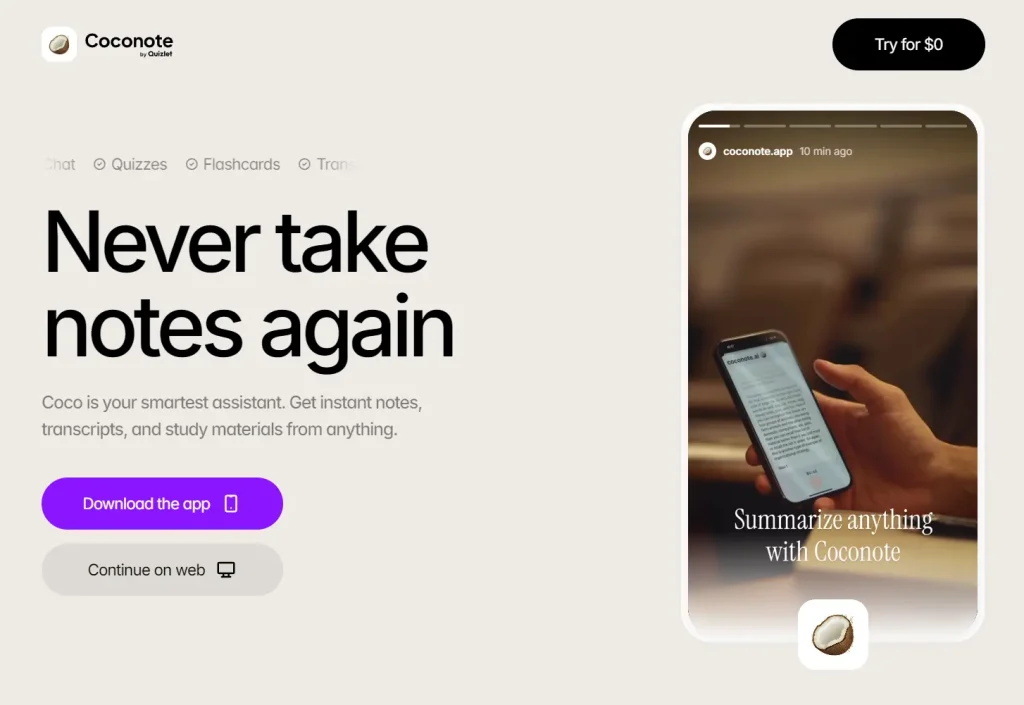
Coconote focuses on turning lecture material into several forms of study content. It can record a lecture or process recordings, PDFs, documents, videos, and links. The resulting study materials can include a transcript, structured notes, chapter headings, key takeaways, flashcards, quizzes, practice exams, podcasts, and study games.
Platforms: Web, Mac, iPhone, iPad, Android, and Apple Watch. You can record live or import course material.
Free plan: A free plan is available. Coconote does not publish one fixed free minute or note allowance on its public site.
Paid price: Unlimited Pass removes note limits. Coconote does not publish one stable web price for the consumer plan.
Privacy: Coconote trains its own models on User Content only after you or your organization opts in. Its terms also permit third-party vendors to use User Content to train their models.
Key features
- Live recording and uploaded lecture processing
- Chapter headings, subheadings, and key takeaways
- Flashcards, quizzes, practice exams, podcasts, and study games
- Course material from documents, videos, recordings, and links
Pros
- Many study formats from one lecture
- Web, desktop, and mobile access
Cons
- No fixed public free allowance
- Third-party model-training clause
8. Turbo AI: Best for editable AI lecture notes
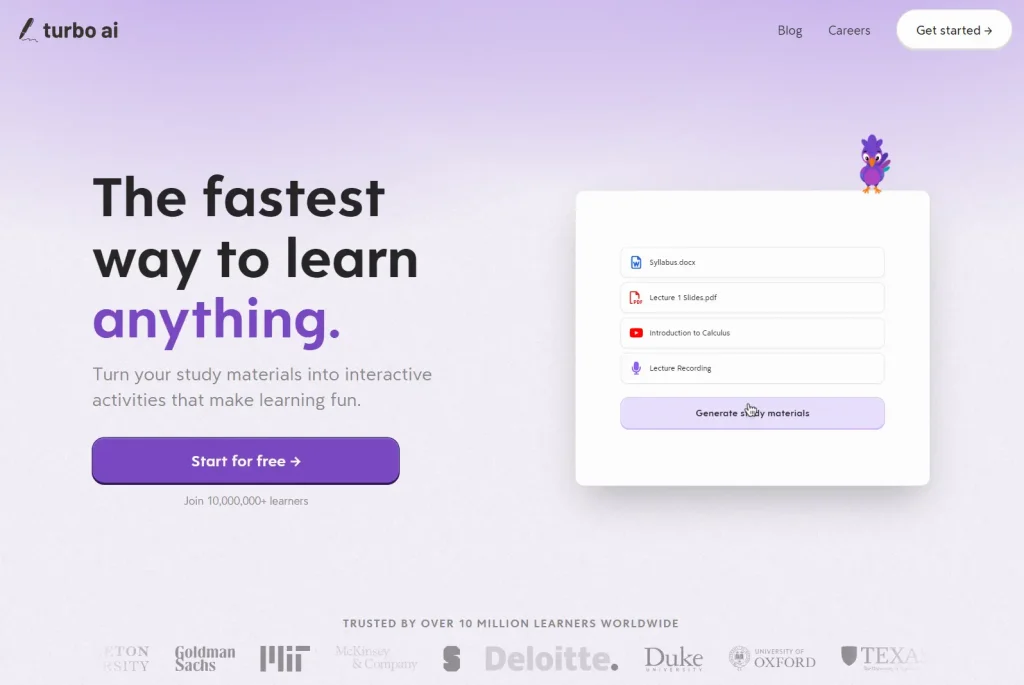
Turbo AI records live lectures or accepts PDFs, presentations, audio, video, documents, and YouTube material. It converts the input into editable notes with timestamps and can generate flashcards, quizzes, and podcasts from one study set.
You can edit, reorganize, and share the generated notes after Turbo AI creates the first version.
Platforms: Web and mobile apps. You can record a lecture live or upload existing course material, and content syncs across devices.
Free plan: Free tier with note, flashcard, and quiz generation. Turbo AI does not publish a fixed free transcription-minute allowance.
Paid price: $20 per month on monthly billing or $10 per month when billed annually, equal to $120 per year.
Privacy: Turbo AI’s privacy policy permits personal information to be used for AI development and training, and course content can be processed by external AI providers. Its terms require recording consent.
Key features
- Editable structured lecture notes
- Flashcards, quizzes, and generated audio
- Live recording plus file and YouTube inputs
- Sharing and collaborative editing
Pros
- Editable generated notes
- Cross-device sync
Cons
- No fixed free transcription allowance
- AI-development use of personal information
9. Knowt: Best for free study modes after lecture capture
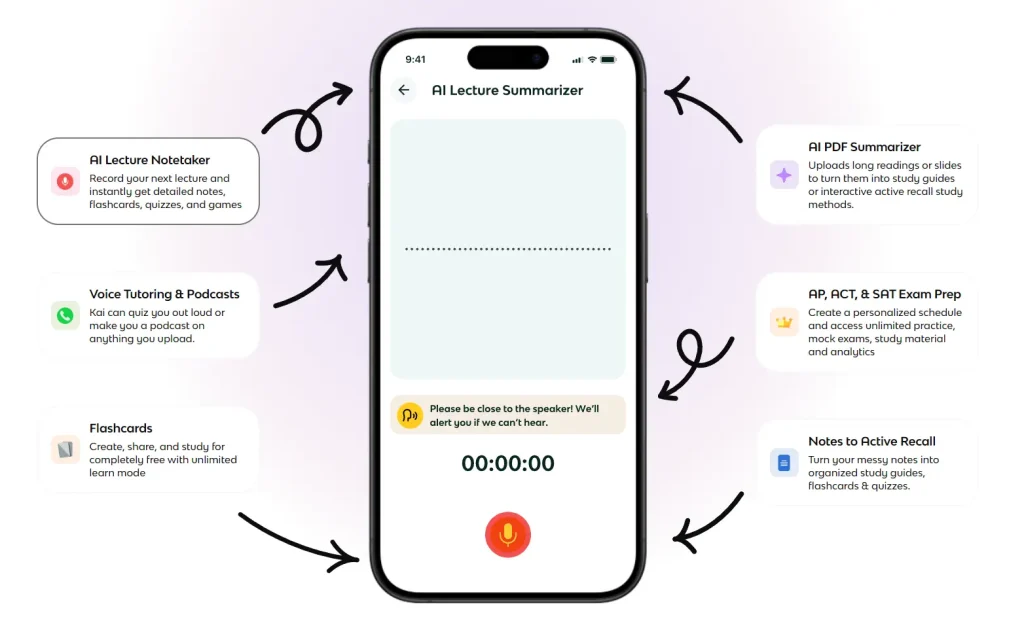
Knowt combines lecture capture with a mature flashcard and practice-test system. It can process live recordings, PDFs, videos, PowerPoint files, audio, images, and other course material. That content can become notes, flashcards, quizzes, and practice tests.
Knowt keeps its core study modes free. The student plan includes one AI summarizer use per month for an eligible file or live recording. That allowance limits how often you can turn new lectures or files into AI-generated study material.
Platforms: Web and mobile apps. Live lecture recording and course-file uploads feed the AI summarizer and study features.
Free plan: Unlimited manual notes and flashcards plus free study modes, with one AI summarizer use per month on the student plan.
Paid price: Knowt Ultra costs $12.99 per month when billed annually at $149.99 per year.
Privacy: Knowt’s privacy policy permits user content and personal information to be used to develop and improve the service, including model training, and permits personal information to be used for advertising personalization.
Key features
- Live lecture recording and course-file processing
- Notes, flashcards, quizzes, and practice tests
- PDF, video, PowerPoint, audio, image, and Drive inputs
- Large library of public study resources
Pros
- Free core study modes
- Extensive flashcard and practice-test features
Cons
- One free AI summary per month
- Model-training and advertising data use
10. Gemini Notebook: Best for saved lecture recordings and PDFs
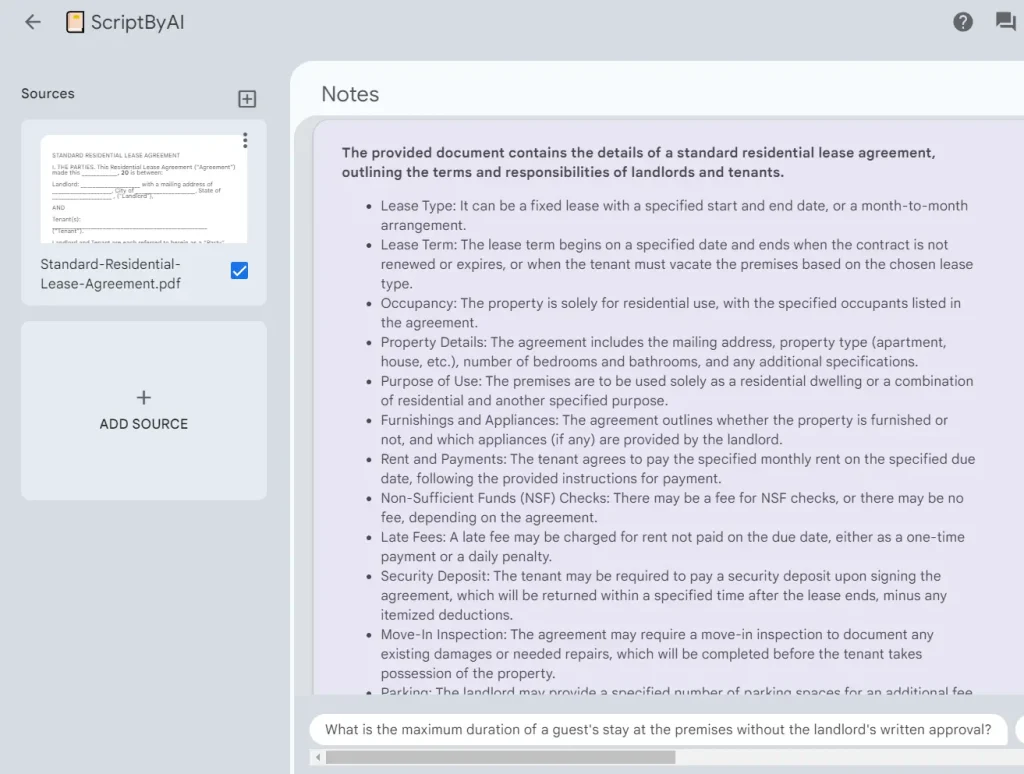
Gemini Notebook, formerly NotebookLM, is built for lecture material you already have. You can upload an audio recording, PDF, DOCX, PPTX, text file, image, Google Drive file, webpage, or public YouTube video and study those sources together. Audio is transcribed when imported.
Chat answers include citations back to your uploaded material, and you can create reports, flashcards, quizzes, mind maps, and audio overviews. Gemini Notebook works best when you already have the lecture recording or course files and want source-grounded study tools.
Platforms: Web plus iOS and Android apps. The mobile app has fewer source and generation features than the full web product.
Free plan: Up to 50 sources in one notebook. AI usage follows a compute-based allowance that refreshes every five hours until the account reaches its weekly limit.
Paid price: Google AI Plus, Pro, and Ultra raise Gemini Notebook limits. It is included in Google AI subscription plans and has no dedicated lecture-note subscription.
Privacy: Gemini Notebook data is not used to train the product unless you submit feedback. Workspace and Education uploads, queries, and outputs are not reviewed by humans or used to train AI models. Deleting a notebook removes its sources.
Key features
- Source-grounded chat across several course files
- Audio transcription at import
- Reports, flashcards, quizzes, mind maps, and audio overviews
- Reports export to Google Docs or Sheets, with CSV flashcard downloads
Pros
- Source-linked answers
- Useful free multi-source workspace
- Extensive study features for existing materials
Cons
- No live lecture recorder
What is the best free AI lecture note taker for students?
Granola is the best free option for most students who need full-lecture capture. Its Basic plan allows unlimited meetings with access to the latest 30 days of history. Otter.ai offers live transcription with a 30-minute free session cap. For uploaded recordings and course files, Gemini Notebook offers extensive free study features and does not include live lecture recording.
For a full semester, check both the monthly allowance and the per-session limit before relying on a free plan. A large monthly quota is less useful when one class exceeds the session cap.
How to choose the best AI lecture note taker for college
Your note-taking routine should determine which features matter most. A live transcript is useful when you want readable text during the lecture. Goodnotes and Notability work well when handwriting or slide annotation is already part of your routine. StudyFetch, Coconote, Turbo AI, and Knowt put more emphasis on flashcards, quizzes, and other study material.
Recording limits can decide whether an app works for an entire semester. Check the maximum session length, monthly minutes, the devices you actually use, export formats, and the first paid plan that can handle your normal lecture schedule. Recording and transcription features often differ across desktop, iPhone, iPad, and Android versions.
Reliable review also depends on being able to check AI-generated notes against the lecture. Timestamps, synchronized audio, chapters, and source citations help you verify names, formulas, quotations, and technical details before you study from the notes.
Can you record college lectures with an AI note taker?
Permission depends on the class, institution, and local recording law. Get permission before using microphone capture or adding a recording tool to an online class. A professor can also set course rules that restrict recording even when the app itself makes recording technically possible.
Check privacy before you record a class. Look at whether the product retains raw audio, how long transcripts stay in your account, whether uploaded content can be used for model training, and whether your school provides an institution-managed version with different data rules. Local or on-device transcription reduces cloud processing in products that offer it. Some local modes disable cloud summaries, sync, or other AI features.
Before paying for a semester, test one representative lecture that you have permission to record. Check technical terms and timestamps, edit part of the transcript, generate the study format you actually use, export the result, and find the deletion controls. That test can expose transcription errors, recording limits, export problems, and other friction before you pay for a semester.
Related resources
- 7 Best AI Flashcard Generators for Students
- Free AI Tutor and Study Tools in Acrobat – Adobe Student Spaces
- Find More Free AI Education Tools for Students and Teachers